
Introduction
Land is one of the most valuable assets in Uganda, but it is also one of the most common sources of legal disputes. Issues such as fraud, multiple claims to ownership, illegal evictions, and forged titles continue to affect individuals and businesses. Understanding Uganda’s land laws is critical for anyone intending to buy, sell, lease, inherit, or develop land.
This article explains Uganda’s land tenure systems, ownership rights, legal procedures, and the importance of legal guidance in land transactions.
Land Tenure Systems in Uganda
Uganda’s Constitution and Land Act recognize four land tenure systems:
1. Freehold Tenure
Freehold land gives the owner permanent ownership of the land. The owner can sell, lease, mortgage, or transfer the land subject to the law. This tenure provides the highest level of ownership security.
2. Leasehold Tenure
Leasehold involves holding land for a fixed period under agreed terms. Leases may be granted by the government, local authorities, or private landowners. Rights depend on the lease agreement and registration.
3. Mailo Tenure
Mailo land is unique to Uganda. It often involves registered owners and lawful or bona fide occupants. This dual ownership system can cause disputes if occupants’ rights are ignored during transactions.
4. Customary Tenure
Customary land is governed by community customs and traditions. Although lawful, customary land must be properly documented and converted if formal transactions are intended.
Legal Ownership and Title Registration
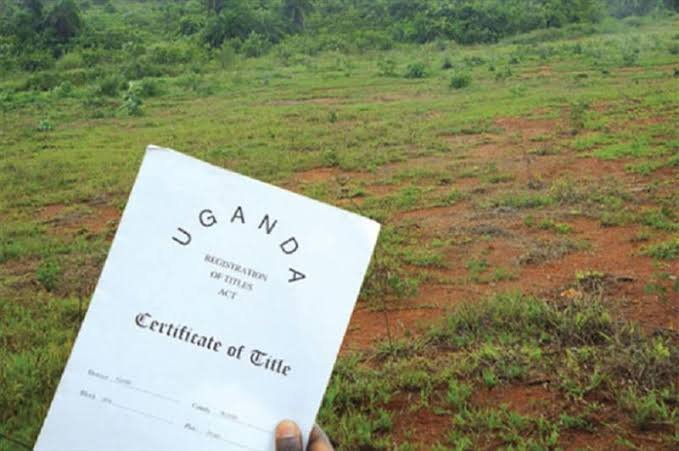
Ownership of registered land in Uganda is proven by a Certificate of Title. However, possession of a title alone does not guarantee freedom from disputes. Titles may be challenged if acquired fraudulently or if occupants’ rights were violated.
A registered title provides:
-
Evidence of ownership
-
Protection under the law
-
Ability to transfer or mortgage land
Due Diligence Before Buying Land
Before purchasing land, buyers must conduct legal due diligence, which includes:
-
Conducting a land title search at the Ministry of Lands
-
Confirming the seller’s identity and authority
-
Inspecting the land physically
-
Confirming boundaries and occupation status
-
Checking for encumbrances such as caveats or mortgages
Failure to conduct due diligence is a leading cause of land fraud in Uganda.
Conveyancing Process in Uganda
Conveyancing refers to the legal process of transferring land ownership. The process includes:
-
Drafting and signing a sale agreement
-
Payment of stamp duty
-
Obtaining necessary consents
-
Registration of the transfer at the Lands Registry
Each stage must comply with legal requirements to ensure valid ownership transfer.
Common Land Disputes in Uganda
Some of the most common land disputes include:
-
Double sales of land
-
Boundary disputes
-
Illegal evictions
-
Forged titles
-
Conflicts between landlords and occupants
These disputes often result in lengthy court cases if not properly handled.
Role of Lawyers in Land Matters
Lawyers play a crucial role by:
-
Conducting due diligence
-
Drafting legally sound agreements
-
Advising on tenure systems
-
Representing clients in land disputes
-
Ensuring lawful registration of transfers
Legal guidance significantly reduces risks associated with land transactions.
Conclusion
Land ownership in Uganda requires careful legal attention. Understanding land laws, tenure systems, and proper procedures protects individuals and businesses from fraud and disputes. Engaging qualified legal professionals ensures that land transactions are secure, lawful, and enforceable.